First Impressions in B2B: Why Your Document Delivery Process Wins (or Loses) Retainers
Firma Editorial
Client Experience Specialist
TL;DR
The onboarding document experience creates the first impression of what it's like to work with you. A polished portal with clearly organised documents signals process maturity. A folder of attachments in a rushed email signals the opposite — and that impression persists.
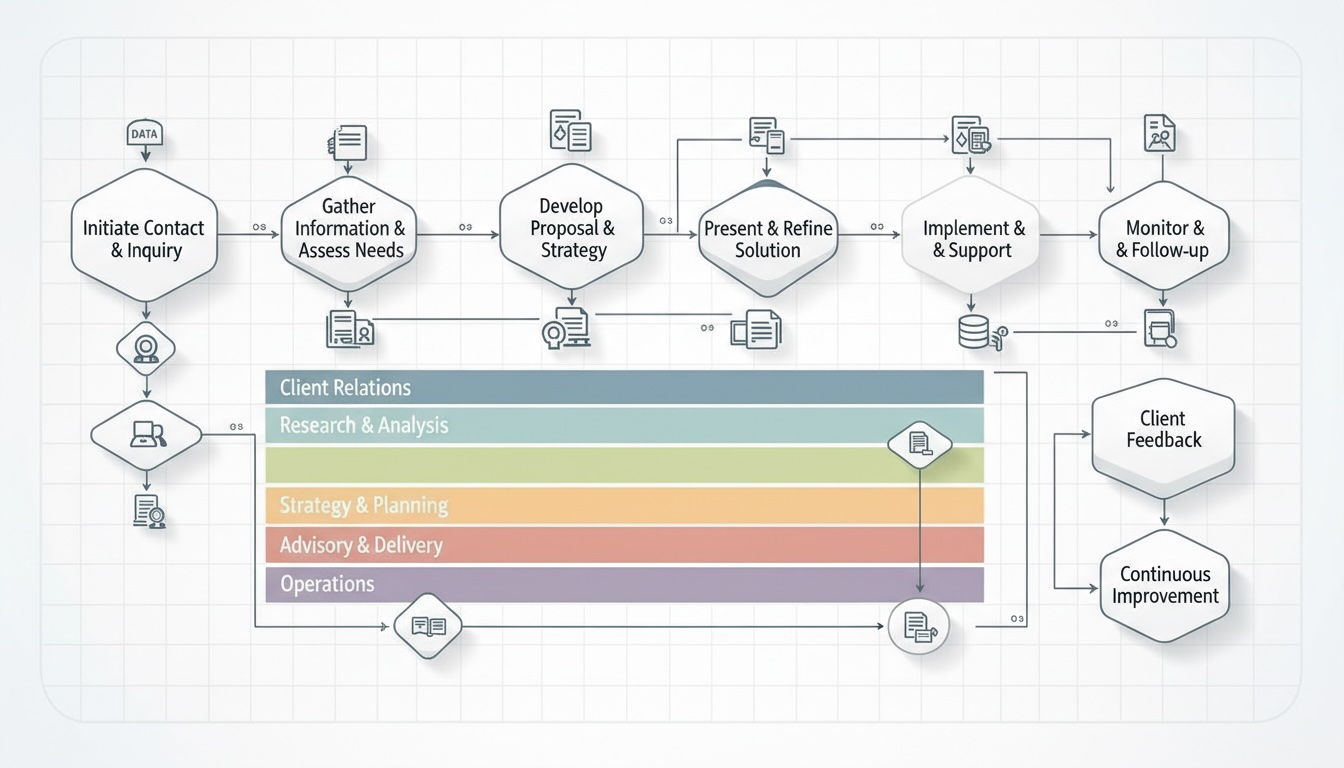
First Impressions in B2B: Why Your Document Delivery Wins or Loses Retainers
In B2B professional services, the pitch wins the client. But the onboarding experience determines whether they stay.
The first deliverable a client receives — the onboarding document package, the kick-off brief, the first strategy document — creates a strong first impression about what the experience of working with you will be like for the next year. That impression is formed before any real work has been evaluated.
What the Onboarding Document Experience Reveals
When a new client receives their first document package, they're unconsciously evaluating:
Process maturity: Does this agency have a repeatable process for how they onboard clients, or are they making it up as they go?
Attention to detail: Is this package organised and complete, or is it missing items and loosely structured?
Professionalism: Does the experience feel tailored to them, or like something they copied from another client?
Future workability: Is this how the next 12 months of deliverables will feel? Easy and organised, or chaotic and ad-hoc?
A polished client portal with clearly labelled sections, relevant documents already in place, and a welcoming personal touch answers all of these positively. An email with three attachments and "let me know if you need anything else" does not.
The Anatomy of an Excellent First Delivery
An excellent first delivery package for a fractional CMO or marketing agency engagement includes:
Welcome section: A brief context-setter — what the portal is, how it's organised, what the client can expect to find here over the course of the engagement.
Kick-off materials: The engagement scope document, the working calendar, the key milestones.
Working documents: Any documents the client needs to populate or review to enable the first phase of work — intake forms, brand guides, access credentials for relevant platforms.
Context from the pitch: The proposal, the scope agreement, the contract — all in one place rather than scattered across email threads.
What's coming: A "next steps" section listing the first three deliverables the client can expect, with approximate timelines.
This package, delivered through a branded portal before the kick-off call, creates an immediate impression of competence and care.
Frequently Asked Questions
How does document delivery affect client retention in B2B professional services?
Client retention in B2B professional services is heavily influenced by the quality of the ongoing experience. A premium, consistent document delivery experience is one of the clearest signals of service quality that clients can evaluate in the first 30 days — before the strategic work has had time to demonstrate results.
What should the first document delivery to a new client include?
The first delivery should include: a welcome context-setter, the engagement scope and working calendar, any kick-off materials the client needs to populate or review, relevant contract and proposal documents for reference, and a clear statement of what deliverables to expect next and when.
Should the first client portal be sent before or after the kick-off call?
Send it before — ideally 24–48 hours before the kick-off call. This gives the client time to review the materials, arrive prepared for the discussion, and form a positive first impression of your process. It also signals confidence: you're ready before the engagement officially starts.